
Reflections on the Open and Relational Theology Conference, 2026
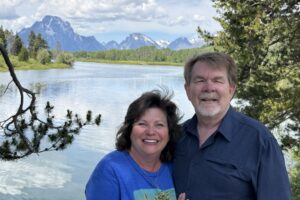
Before arriving at the 2026 Open and Relational Theology Conference, my wife and I spent several days exploring Yellowstone National Park. Along the way, our guidebook rated each attraction on a five-star scale. Some earned only one star, others were mediocre on the scale, and only a few, like Old Faithful, earned the full five-star designation. Likewise, by the end of the conference, we rated nearly every lecture, presentation, interview, and discussion at the conference five stars. The retreat exceeded our expectations in every respect.
One reason the experience was so meaningful is that my wife and I approach faith from vastly different perspectives. She is deeply existential in her Christian faith, experiencing God primarily through relationship and personal and lived experience. I lean into faith more cognitively, seeking theological reflection, careful analysis, and intellectual exploration. Despite our different orientations, we both found ourselves equally engaged, challenged, and inspired. That, in itself, speaks to the remarkable breadth and accessibility of the conference.
Consistent with the fundamental aim of Open and Relational Theology, the conference presented the primacy of love as the basis and end of all things Christian—theology and otherwise. The agenda included widely published and recognized authors, and the range of topics was extraordinary. Several women and queer scholars balanced the traditionally straight-male theological bias and offered refreshing and profound insights. Open and Relational Theology was explored from creation to eschatology and through many areas of Christian thought. Presenters demonstrated how this theological perspective illuminates questions surrounding the problem of evil, free will, the nature of the future, atonement, neuroscience and neurobiology, vocation and resurrection, addiction and recovery, life coaching, spiritual formation, ecology and creation care, as well as literary, art, and film analysis. Integration with Anabaptist and Christian mystic experiences broadened the spectrum along with traditionally unorthodox topics including psychedelics and near-death-experiences. Individual testimonies illustrated how the primacy of love and other Open and Relational Theology principles in practice yield redemption and restoration.
Our introduction to the group occurred as we pulled our luggage through the lobby of the hotel and soon joined many of our future friends sitting in a circle, each sharing their personal faith story. Most valuable were the relationships formed outside the formal meetings. Meals, board games, group hiking, informal conversations, spontaneous gatherings, and sing-alongs created opportunities to meet scholars, pastors, students, and thoughtful Christians from a wide variety of backgrounds and denominations. The openness, kindness, and genuine curiosity of those attending reflected the very relational values that the conference promoted. We left with new friendships that we hope will continue well beyond the gathering.
The meeting began with analysis of our polarized contemporary culture and practical wisdom for navigating disagreements and tensions between family members, friends, and fellow Christians and how to engage within these polarities in a loving way. The conference ended with a challenge and strategy on how to be more intensionally and practically engaging with diversity aims. The presentations never felt disconnected from everyday life. Instead, they consistently demonstrated how theology can inform the way we think, live, love, and engage the world around us. The conference embodied the conviction that theology belongs not only in the classroom but also in our relationships, our communities, and our daily experiences.
The setting could not have been more beautiful. Grand Targhee Resort in the Teton Mountains of Wyoming provided an ideal venue. Breathtaking and picturesque mountain vistas mirrored the inspirational speakers. Excellent accommodations, outstanding food, and first-class facilities augmented the experience. The beauty of the surroundings complemented the conference’s emphasis on God’s relationship with creation and provided countless opportunities for reflection and conversation.
Special thanks to Dr. Thomas Jay Oord. His vision for Open and Relational Theology, careful planning of the conference, exceptional selection of speakers, and remarkable ability to communicate complex theological ideas with clarity were evident throughout the event. The conference was organized with excellence while maintaining a welcoming, gracious, and relational spirit.
We returned home intellectually enriched, spiritually encouraged, and deeply grateful. The conference expanded our understanding of Open and Relational Theology while reminding us that thoughtful scholarship and authentic Christian community belong together. It challenged our minds, nurtured our faith, and strengthened our hope.
New insights into the Divine refreshed our spirits just as the local, and new-to-us, huckleberry ice cream offered a novel, exquisite flavor to our pallets. While Yellowstone provided us with unforgettable five-star scenery, the 2026 Open and Relational Theology Conference provided something even more enduring: five-star ideas, five-star conversations, and five-star relationships. We wholeheartedly recommend it to anyone interested in thoughtful, engaging, and deeply relational Christian theology, ethic, and practice centered in love.
John B. Crider, M.D. and Donna
Birmingham, AL